
Fix or Remodel a Home / Building
Find the cause. Fix it once. Breathe easier and pay less.
Every action has a reaction. You add insulation and another surface gets colder. You seal air leaks and moisture loses its escape route. Find out what the building is telling you before you open a wall.
Damp basements, musty rooms, mold, cold floors, high bills, radon and wildfire smoke all have causes you can find. Find the cause before you spend a dollar. Fix it once, with the most affordable materials you can buy locally. The house gets healthier, holds up better when the power goes out, and costs less every month after that.
Real jobs. Real photos.
This is what fixing it once, the right way, looks like on a real house.
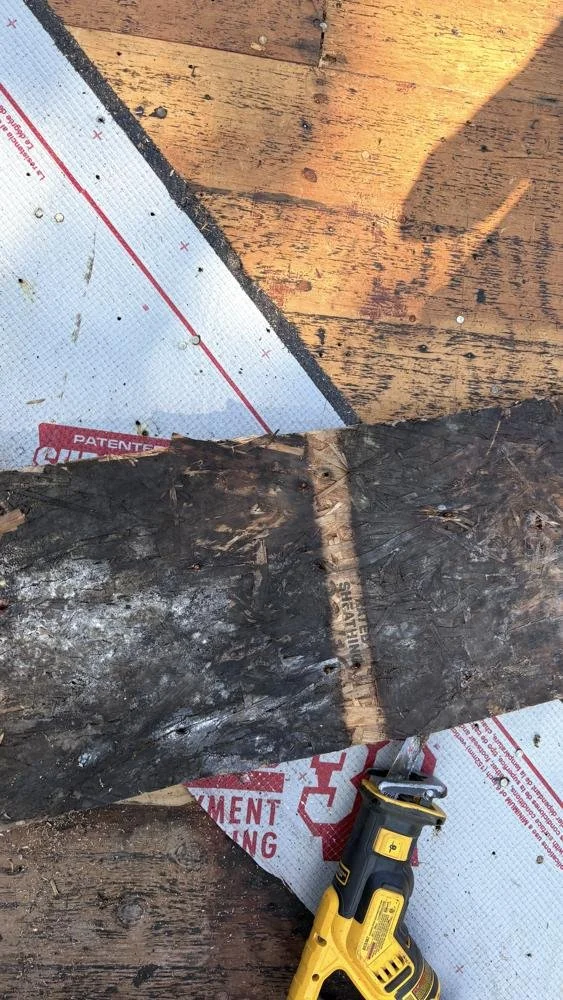
Open a roof and this is what you find. Rotted sheathing, cut out and replaced.
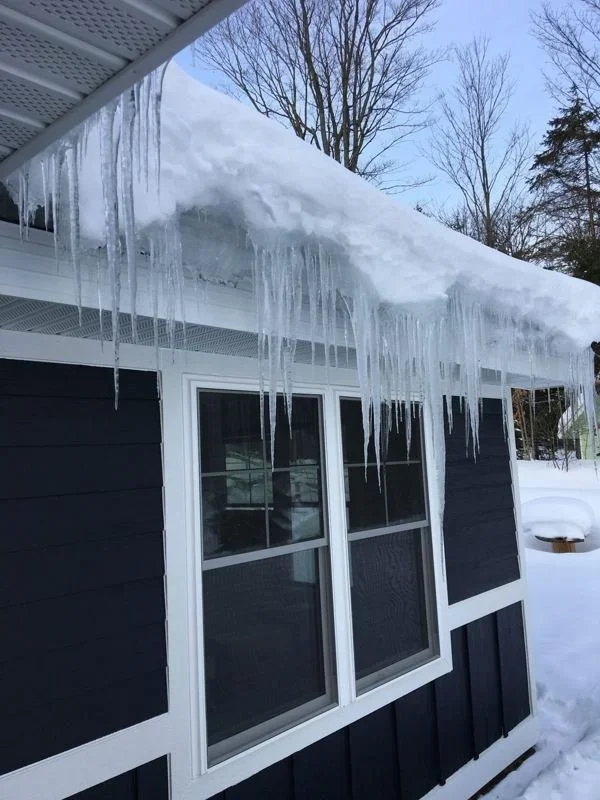
Icicles mean heat is leaking out the roof.
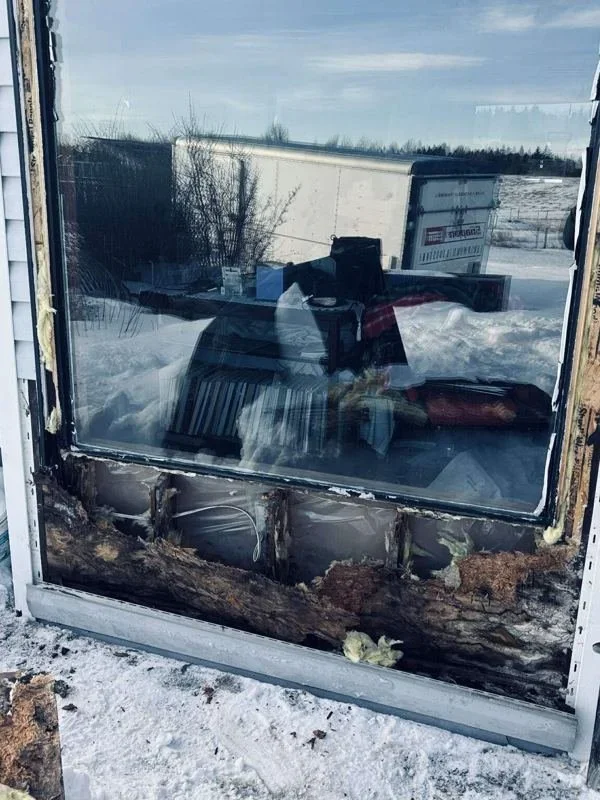
Siding off under a window. The wood rotted away.
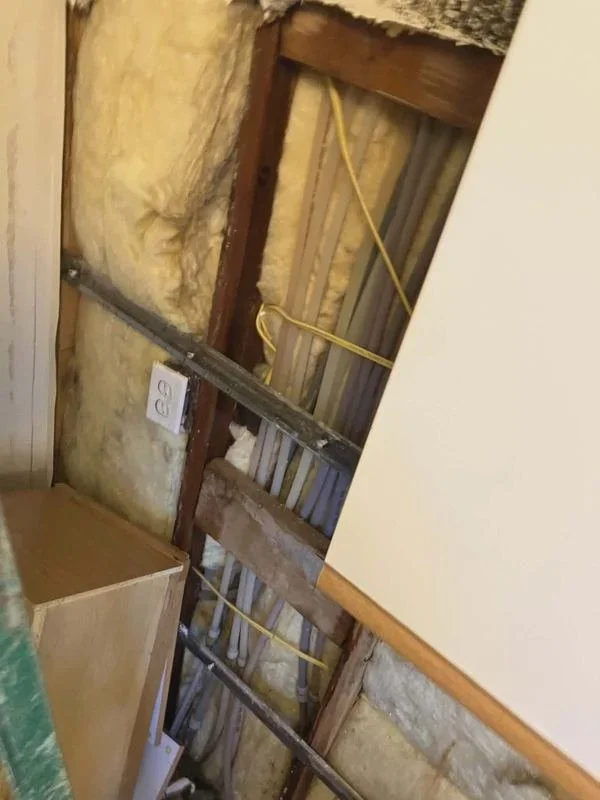
Behind the kitchen cabinets. Water lines, wiring and mold.
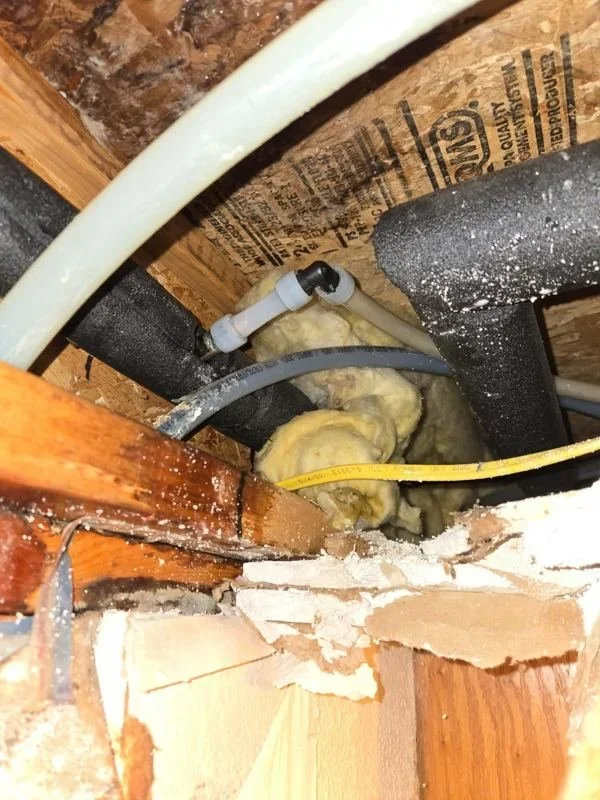
Open the wall and you find pipes, wires and mold.
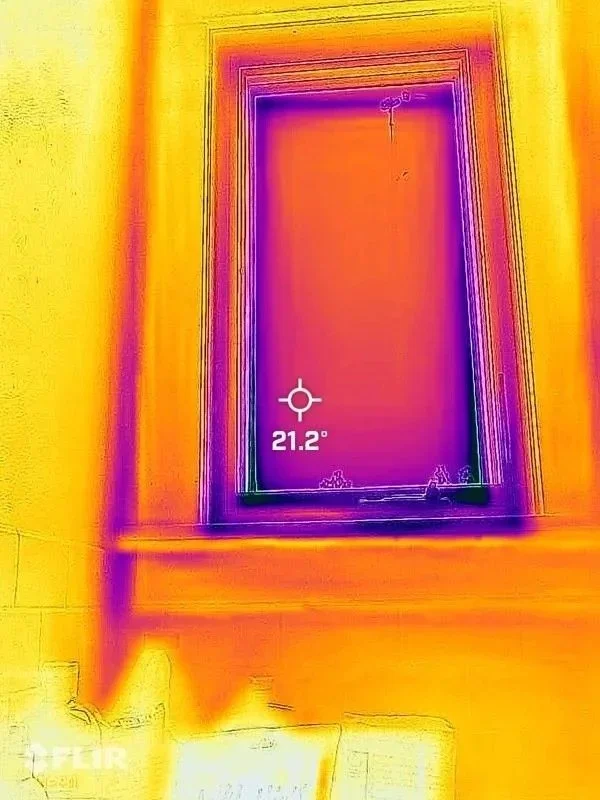
A $30 thermal camera shows where the cold gets in.
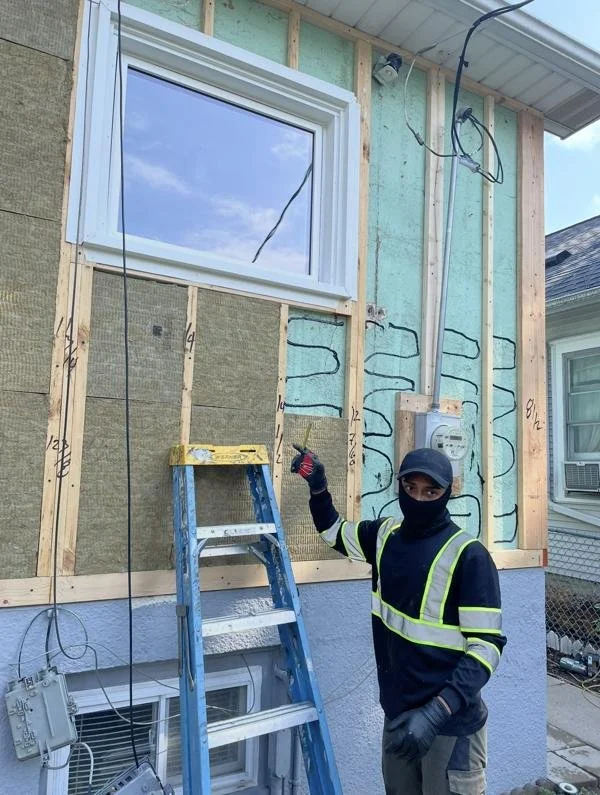
A real retrofit. Mineral wool goes on the outside of the old wall.
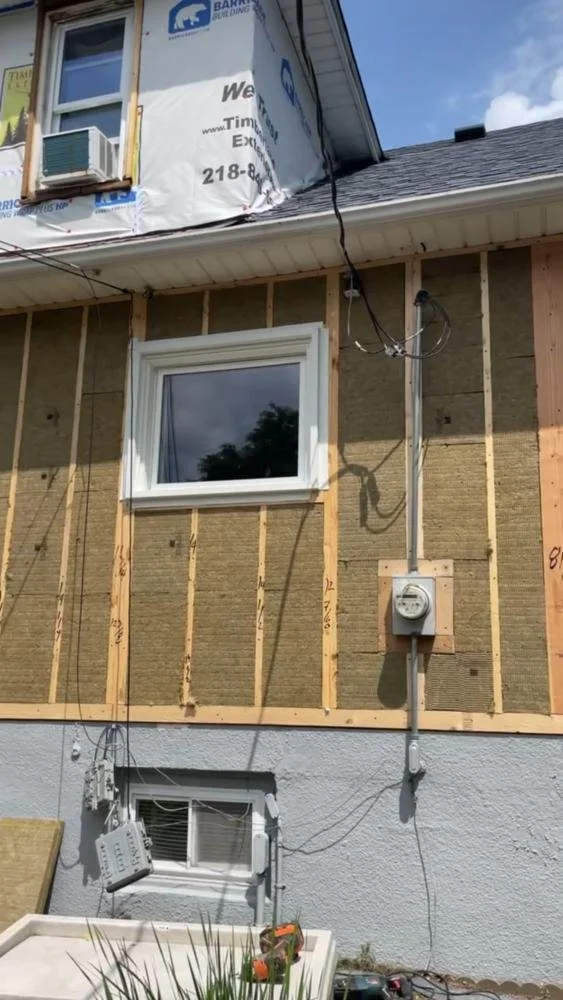
Wrapped in mineral wool, new window in, ready for the siding.
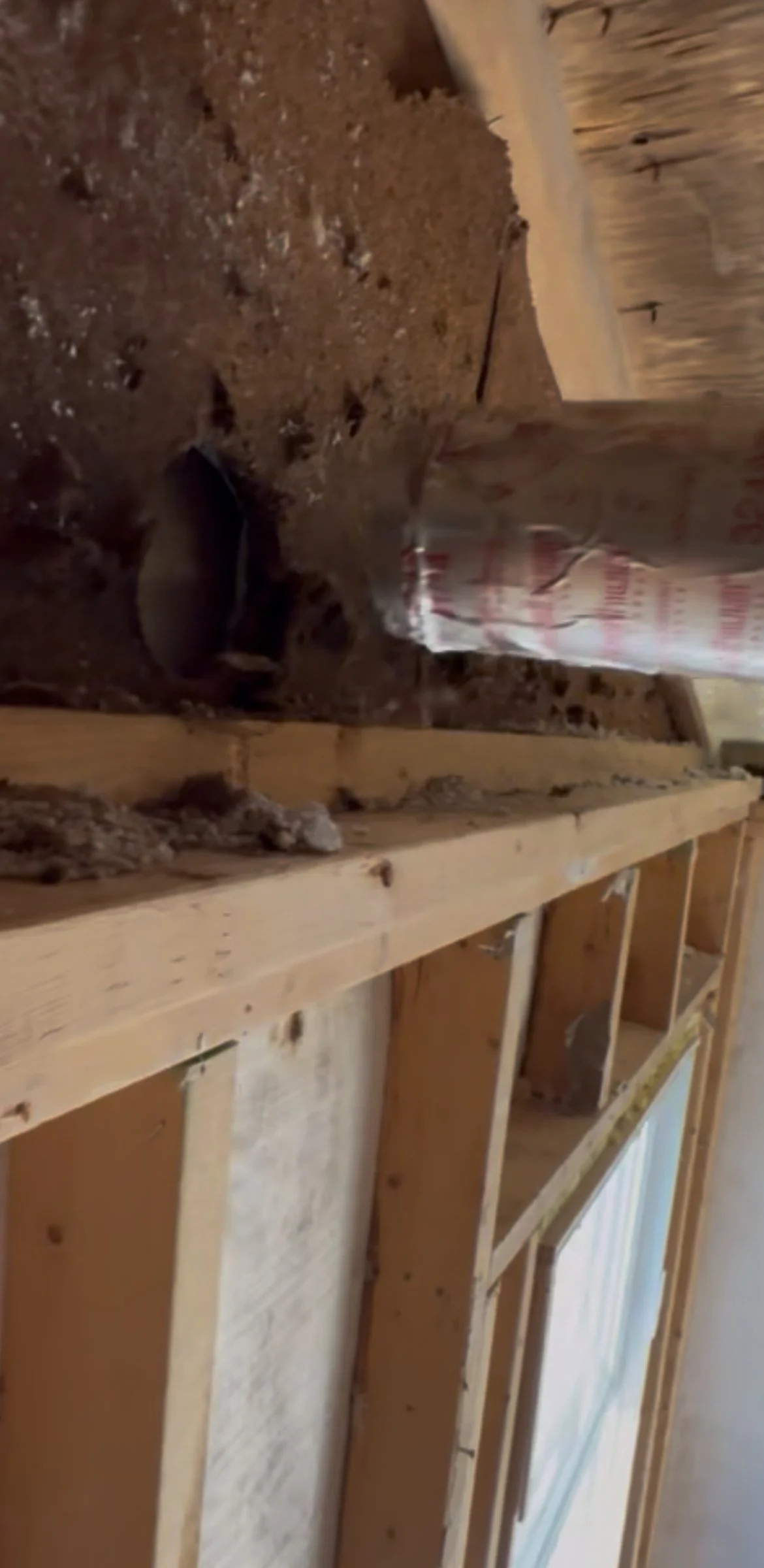
Pull the ceiling down and look up. Old blown-in insulation sitting on the top plate, with a flex duct run right through it.
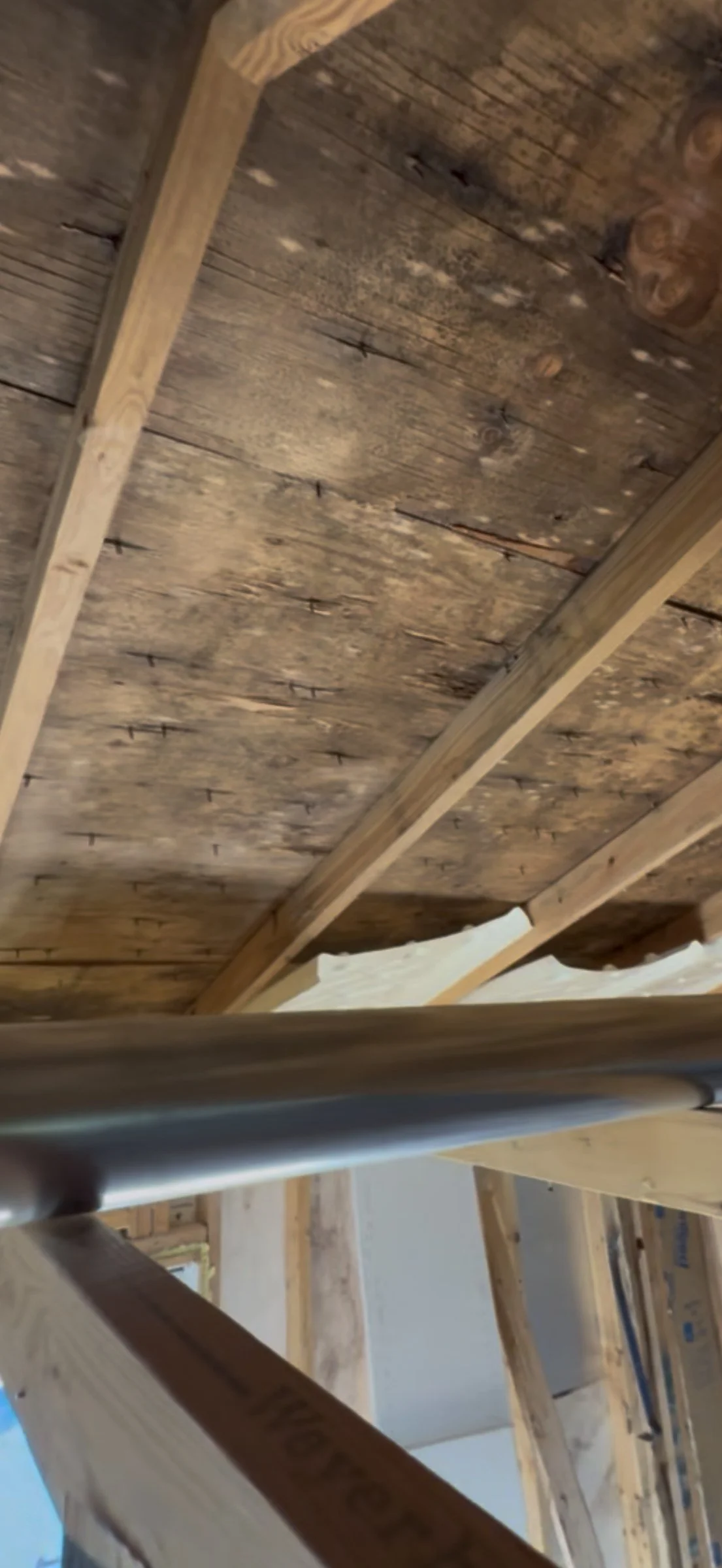
When somebody put new siding on this house, they did not extend the boot for the dryer vent. The dryer blew all its warm, moist air into the attic. This is what it did to the roof deck. The dark spots are mold.
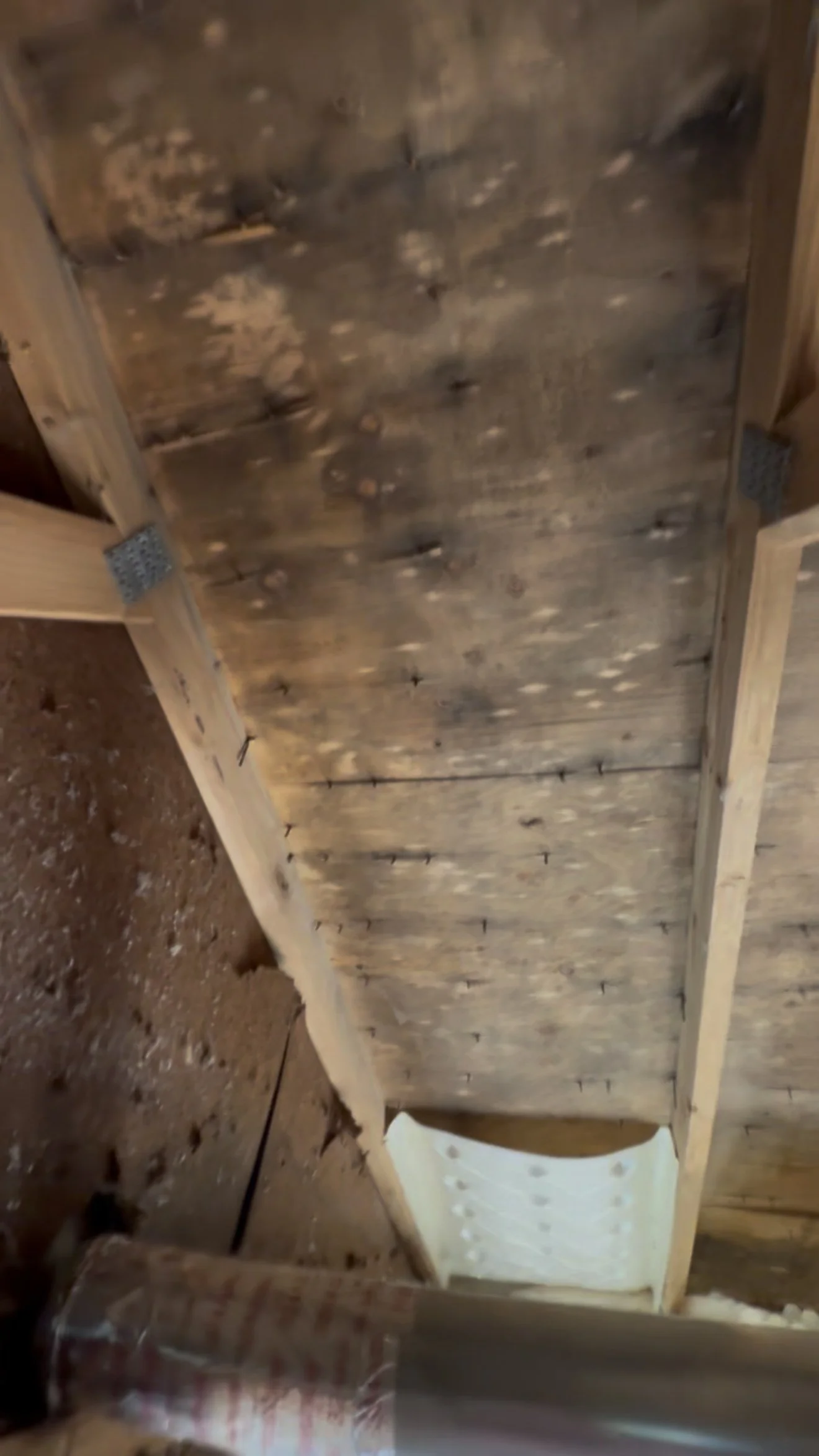
Same roof, next bay over. One dryer vent that nobody hooked back up after the siding job, and the mold runs all the way down to the vent chute.
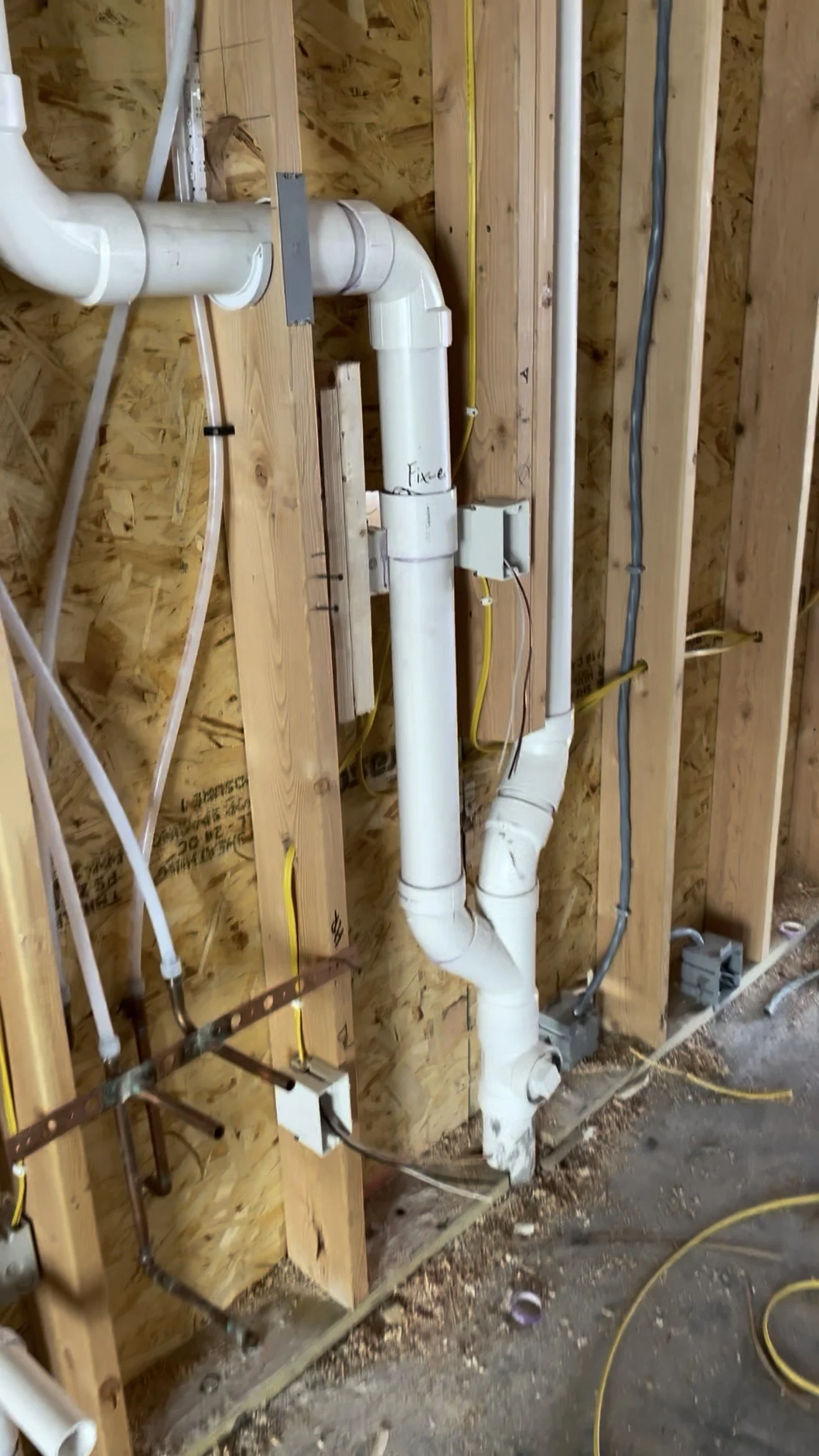
Open the wall and you see what the next owner never will: drains, vents, water lines and wiring.
The Retrofit & Remodel Bundle
Fixing the house you have? This one is for the house that is already standing: the brick, the stone, the stucco and the siding that has to stay. Six books that show you how to fix a house from the inside, one room at a time. Hardcover: $799. Paperback: $749, with the Wall and Roof Assembly Library in hardcover, because it is too big to bind as a paperback. Either way, it all comes in one order with one shipping charge.
1. Carbonless: An Introduction to Sustainable Building. How heat, air and water really move through a house. Start here.
2. THE BOX, Complete Edition. Both checklists, and the questions to ask before you open a wall.
3. The Retrofit & Remodel Field Guide: The NightMare. Nearly 200 field photographs of what was found when the walls came open.
4. How to Make a Thermal Break on the Inside of Your Home. The strip method, the dew point, the one-vapor-barrier rule, and 90 interior wall assemblies with every number worked out.
5. The Carbonless Wall and Roof Assembly Library. 863 walls and roofs, every layer and every number.
6. Hammerdahl. A novel about a family 100 years from now, living in homes that were built right today.
The Introduction teaches how a house works. THE BOX gives you the questions to ask. The NightMare shows what goes wrong once the walls come open. The Thermal Break book shows how to fix it from the inside. The Library gives you the numbers. And Hammerdahl shows why it matters. One wet wall can cost more than all six books. Read them before you open a wall, and fix it once, the right way, for the family who lives there 100 years from now.

STEP 1
Start here
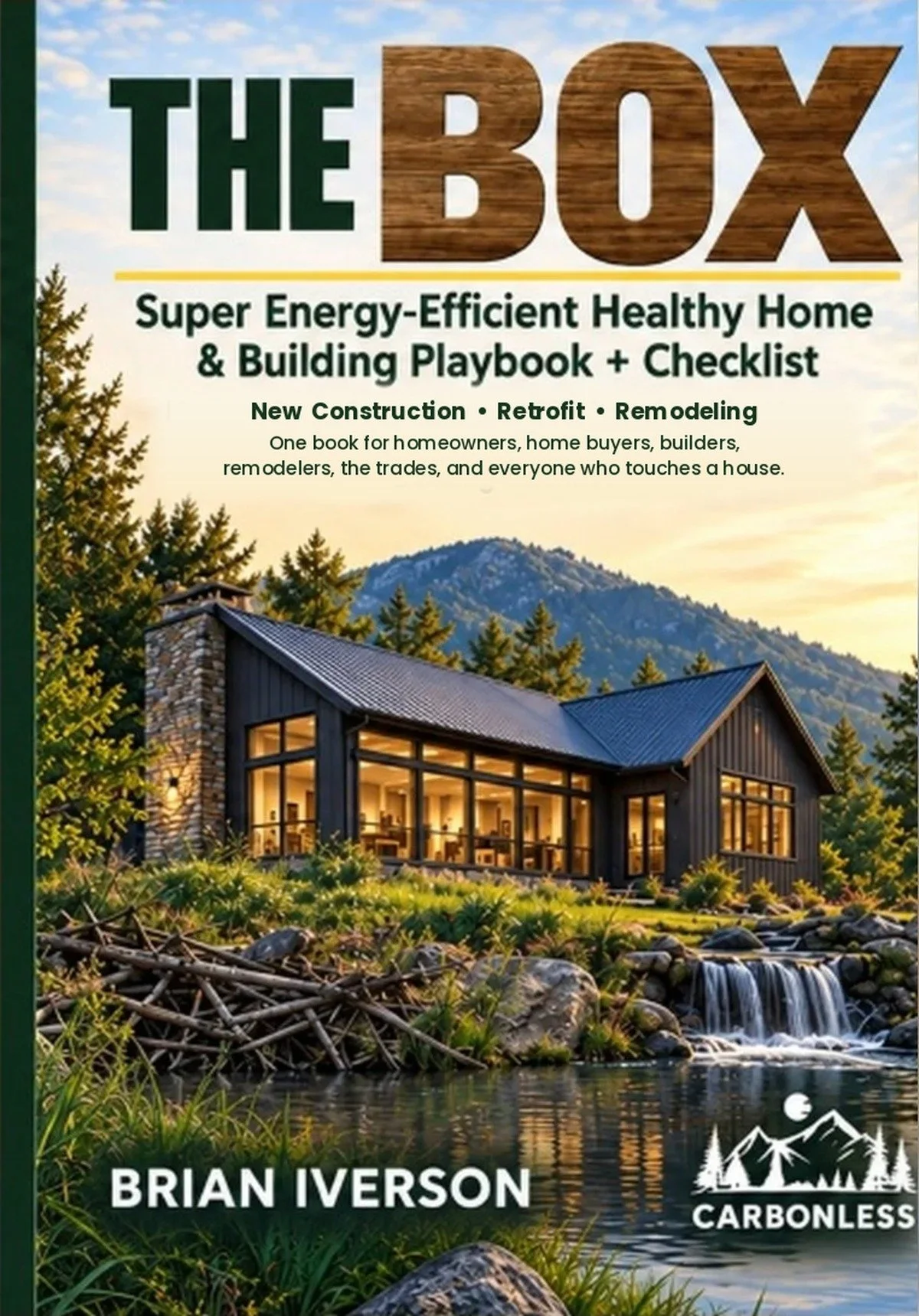
THE BOX, Complete Edition
New construction, retrofit and remodeling, all in one book, with two checklists: one for building new and one for the house you have now.
Why put all three in one book? Every old house was a new house once. The mistakes made when it was built are the same ones you end up fixing when you remodel it. When you see both sides, you can stop the problem before it starts, or find the cause and fix it once, the right way.
Hardcover $49.99
STEP 2
Do the work
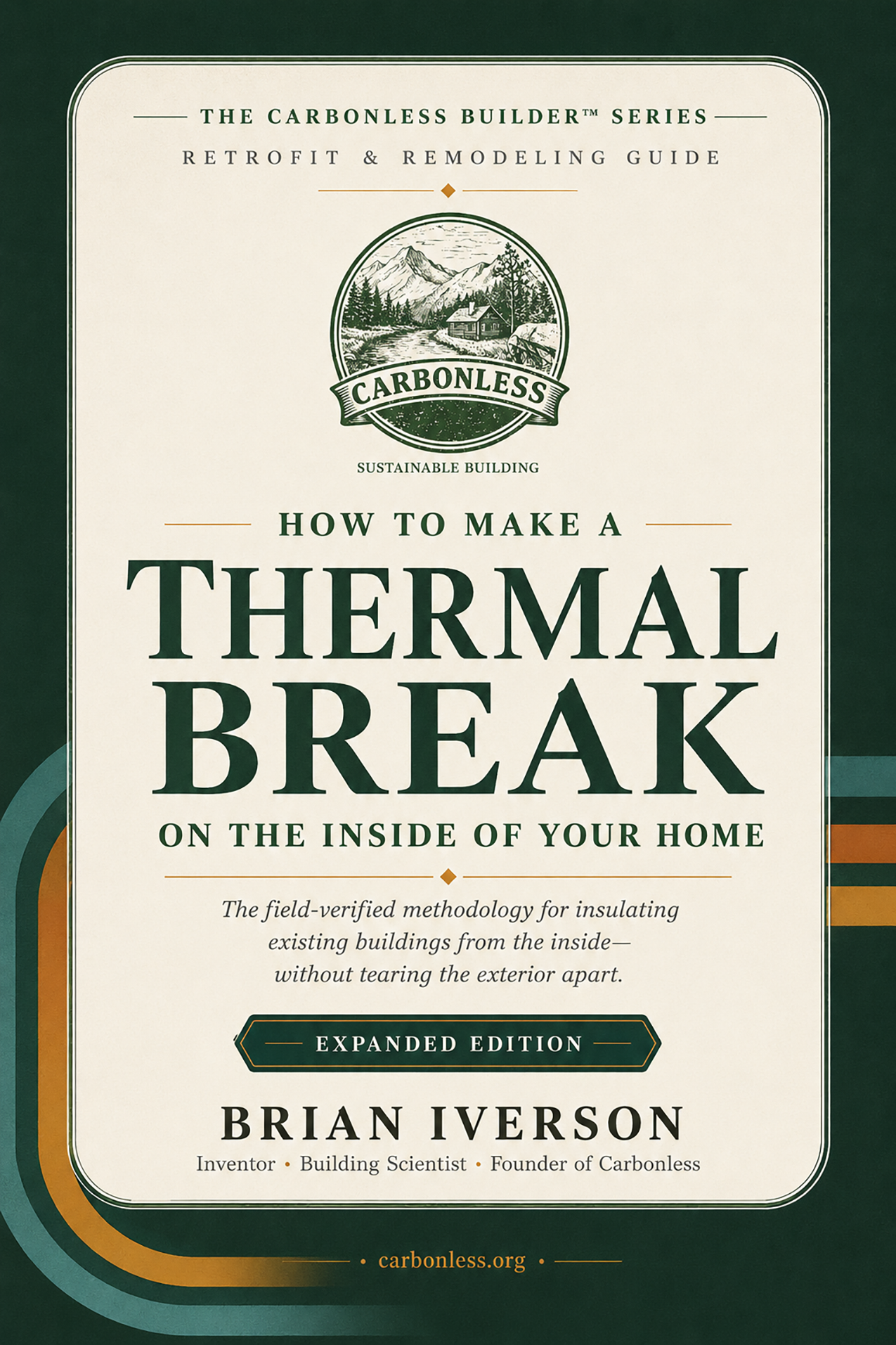
How to Make a Thermal Break on the Inside of Your Home
The method for making an existing home dramatically more efficient from the inside, without tearing the exterior apart. 279 pages, 30 chapters, 88 building assemblies.
If you can’t take the siding off, this is the way to do it from the inside. It walks you through each step, so you know how to add insulation without trapping moisture in the wall.
A real job. This house had Celotex insulation board on the outside, and the outside could not be changed. The fix was a thermal break on the inside. The hard part is the dew point. When it gets cold out, the dew point moves inside the wall, and most people don’t know the right questions to ask. Don’t be afraid of an inside thermal break, but educate yourself first.
Every house is different. These photos show one real job. They are not a design for your house. Get advice from a qualified professional before you change a wall.
Hardcover $149 · Paperback $119
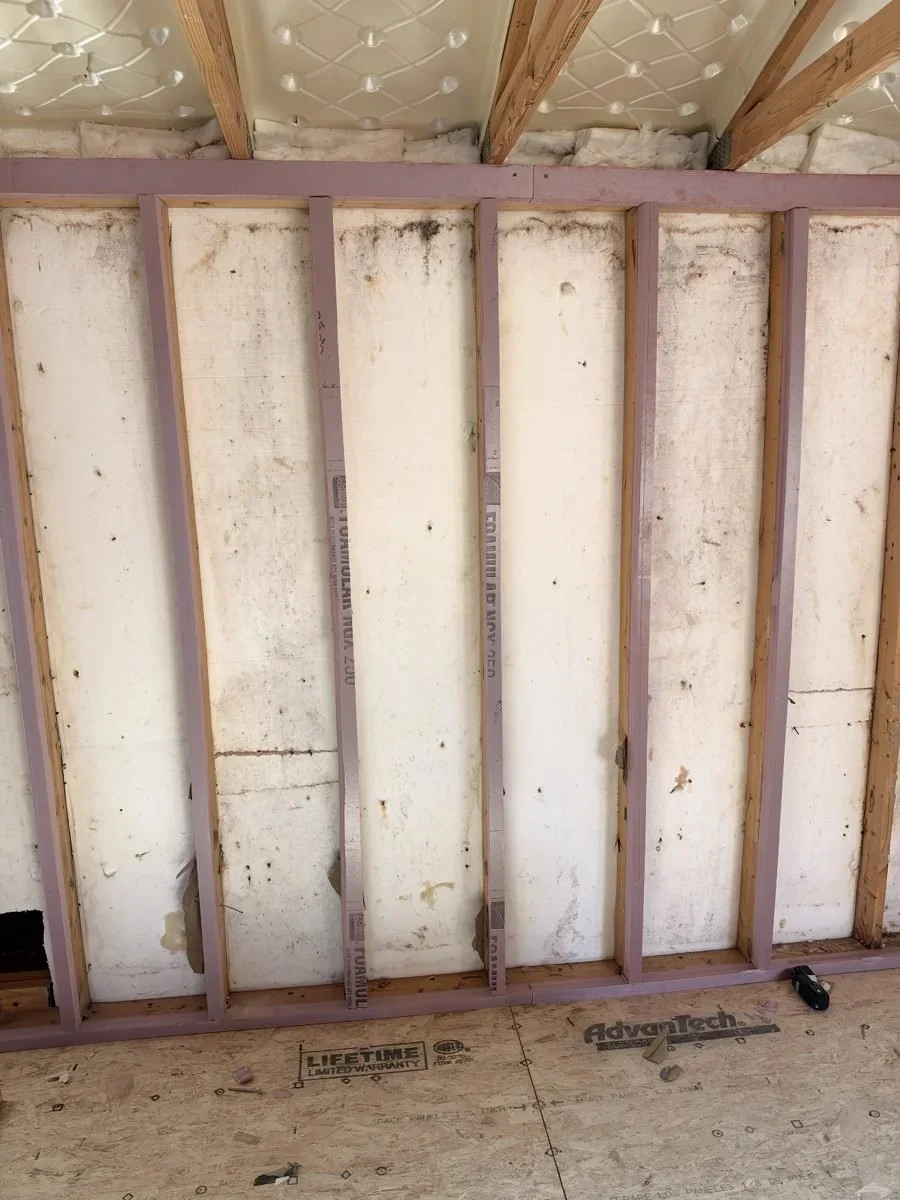
An old outside wall opened from the inside, with new framing and foam going in.
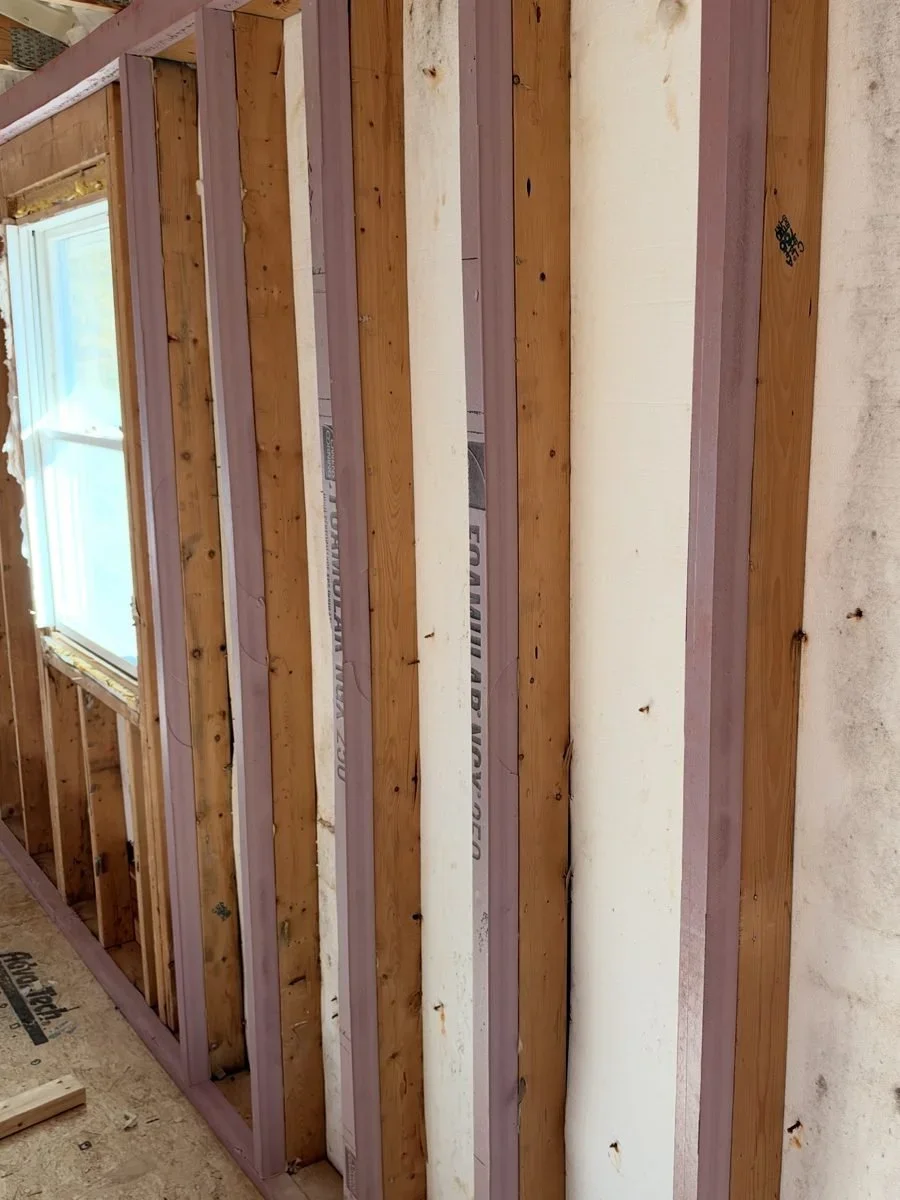
New framing with foam built in front of the old wall, next to a window.
STEP 3
See it done
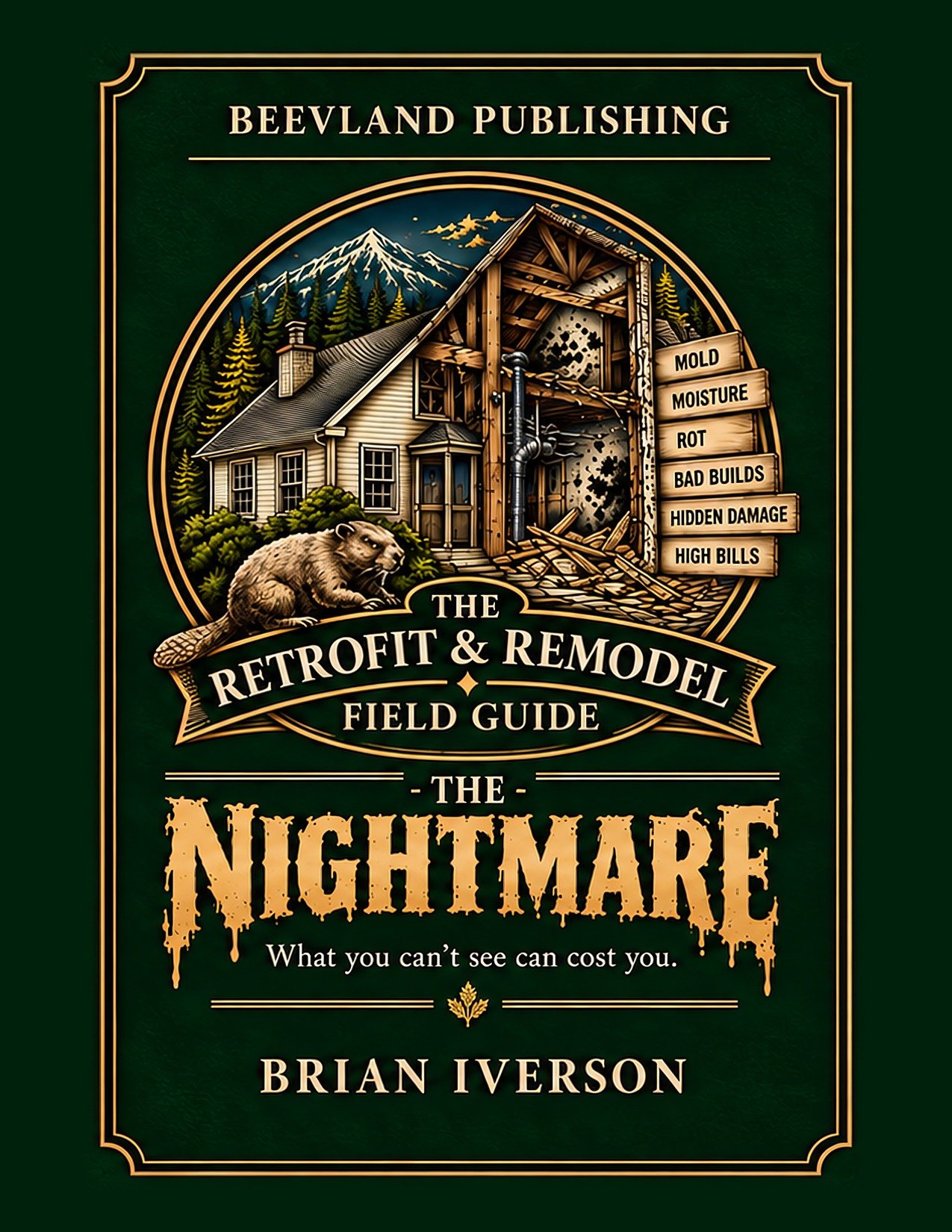
The Retrofit & Remodel Field Guide — The NightMare
Nearly 200 field photographs from more than 25 real projects. See what failed and learn why it failed.
Find out what the building is telling you before you ever open up a wall, roof, ceiling or rim joist. These are real houses, with the mistakes left in so you can see them.
Rot, mold, wet insulation, windows ready to fall out, and roofs that held water. Each one shows you what caused it, so you can spot it on your own house before it costs you. If you are about to remodel, read this first.
Hardcover $249
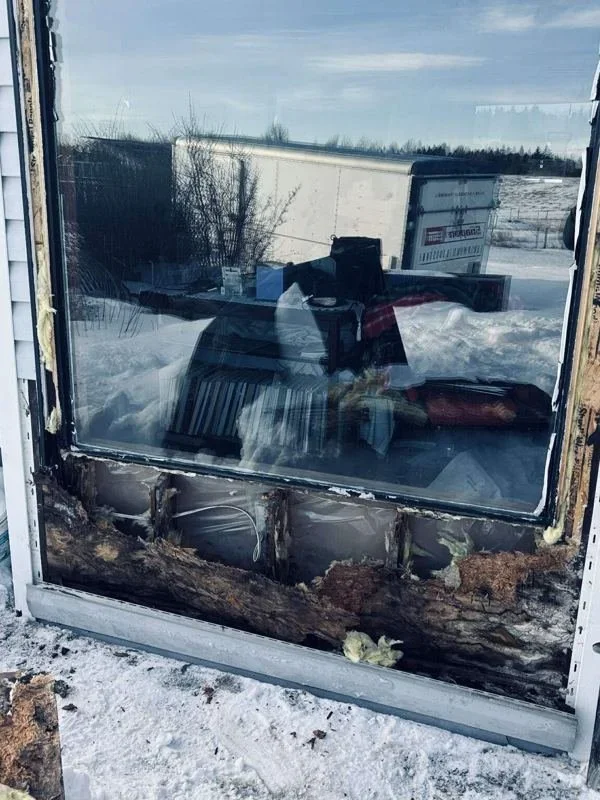
Open the wall and the window is ready to fall out.
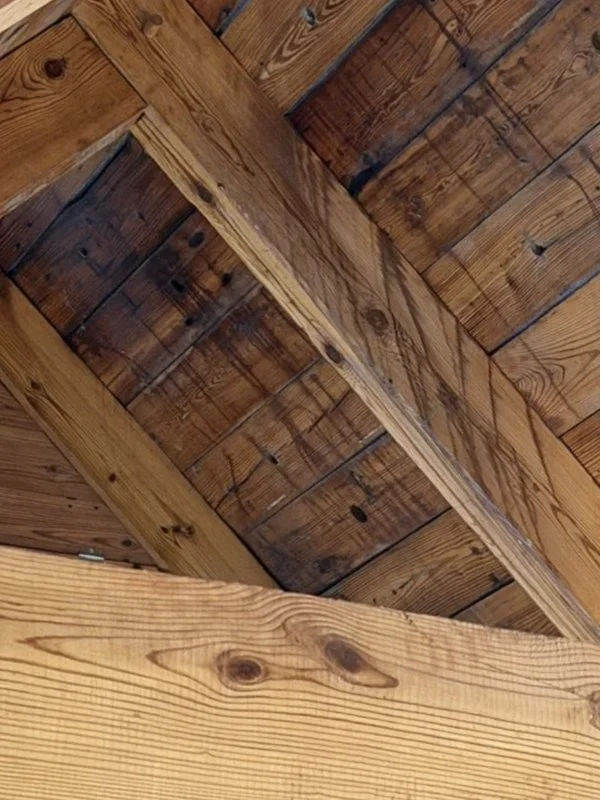
A SIP panel failure on a very expensive log home. Beadboard foam. It became saturated.
STEP 4
Look up the numbers
Carbonless Wall and Roof Assembly Library
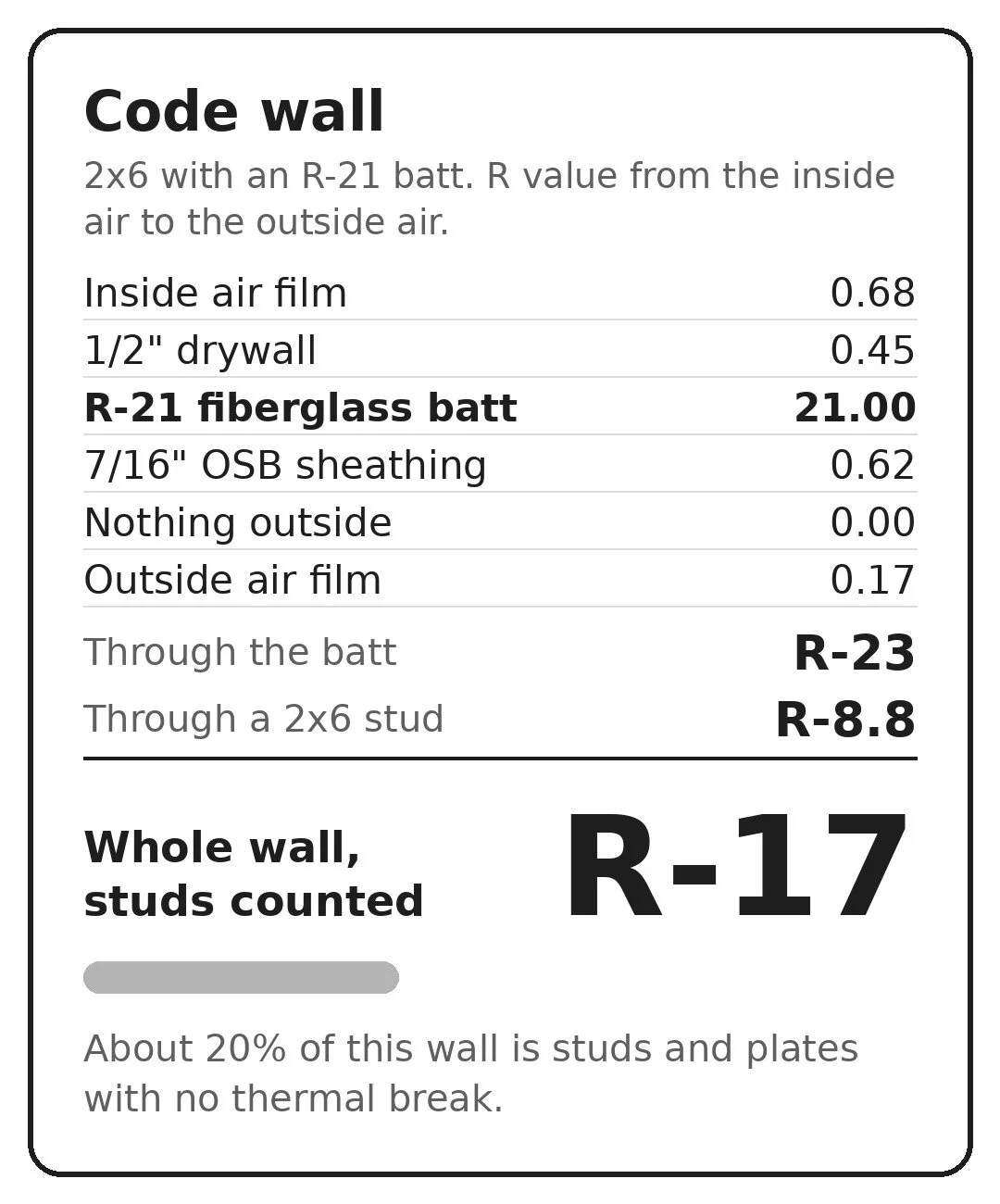
You cannot size your heating and cooling system correctly unless you know these numbers. You can’t guess anymore. Guessing is how a house ends up with a system that is too big, runs short cycles, and never runs long enough to pull the moisture out of the air.
Your HVAC designer needs the real R value and U value of your walls and your roof to do the load calculation. The number printed on the insulation bag is not the number for the whole wall. Studs, plates, headers and corners all let heat through.
These numbers also tell you if your wall and roof assembly is good enough to take the load off your HVAC system before you buy one. A better wall and roof can mean a smaller system that costs less to buy and less to run, every month, for as long as you own the house.
The Library has 863 verified whole-wall R and U values for walls and roofs. 2x4 and 2x6 walls, 16 and 24 inches on center, metal studs, 11 cavity insulations and every continuous insulation. Hot roofs and interior thermal breaks are in there too. U.S., Canadian metric and European RSI values.
Look up your wall and your roof before you build, before you remodel, and before you hand your plans to anyone sizing your HVAC.
$299
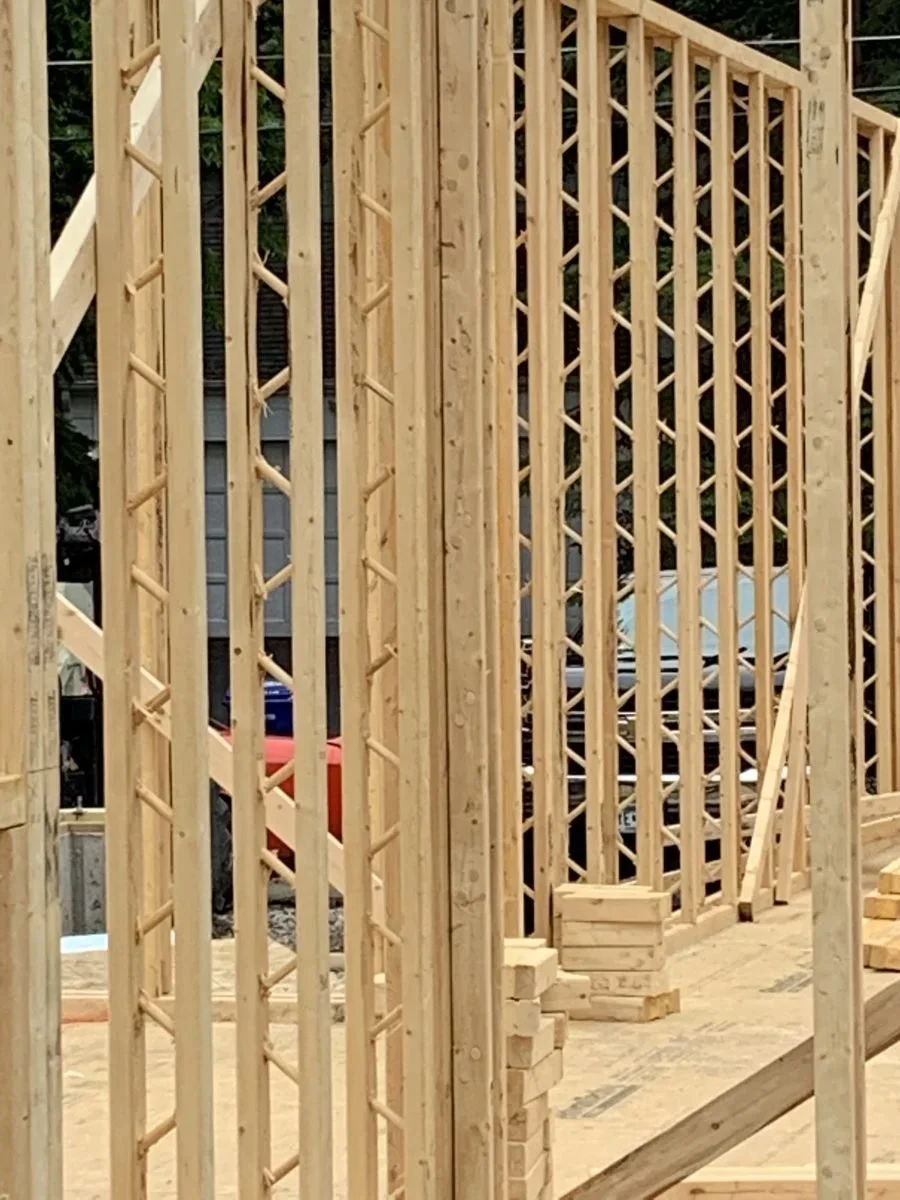
The BareNaked Tstud® I invented to put a thermal break through the wall. That is how I figured out what effective R value really means. This house won the U.S. Department of Energy's 2020 award for the most energy-efficient house in America, and the thermal break through the wall was part of why. It is a net zero house.
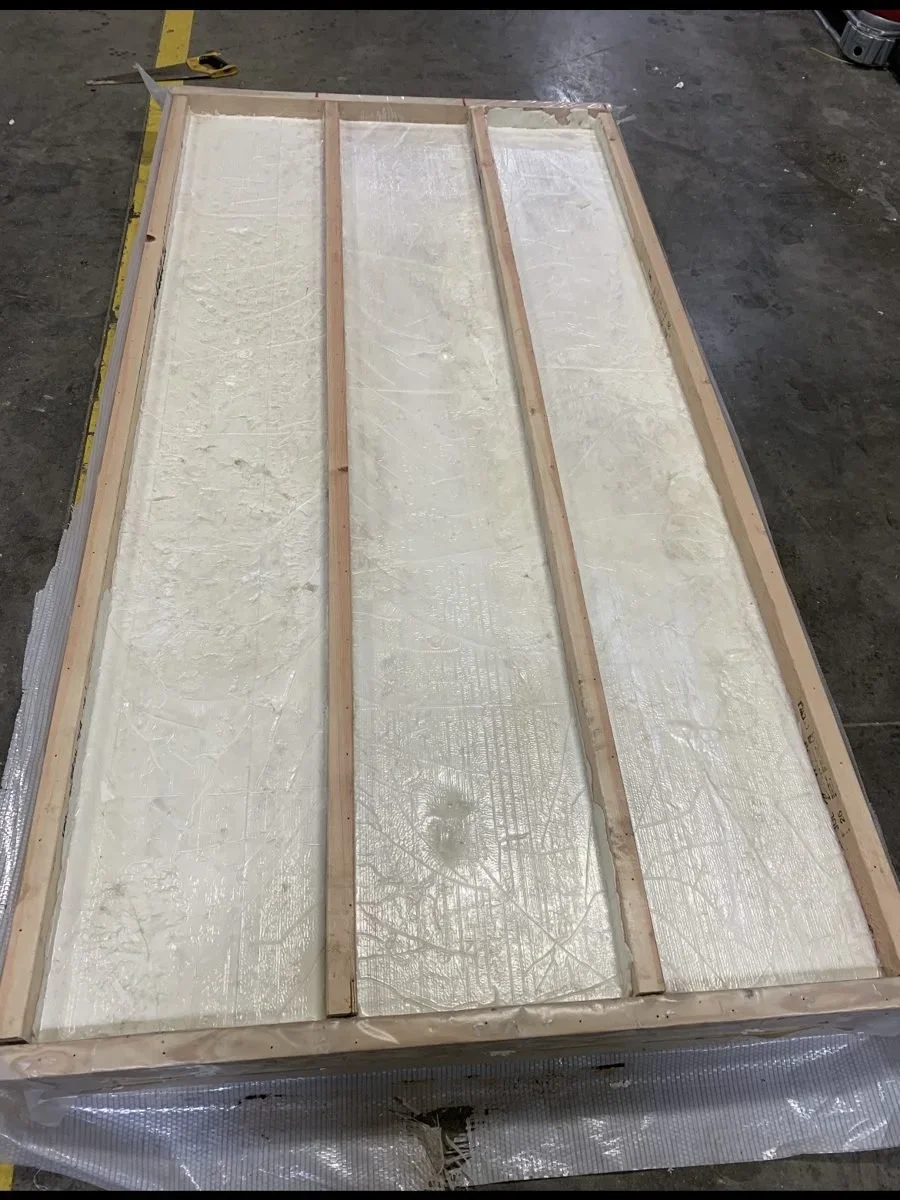
A prototype wall panel I built. Closed-cell foam, with room left for the electrician. People ask me how I did it.
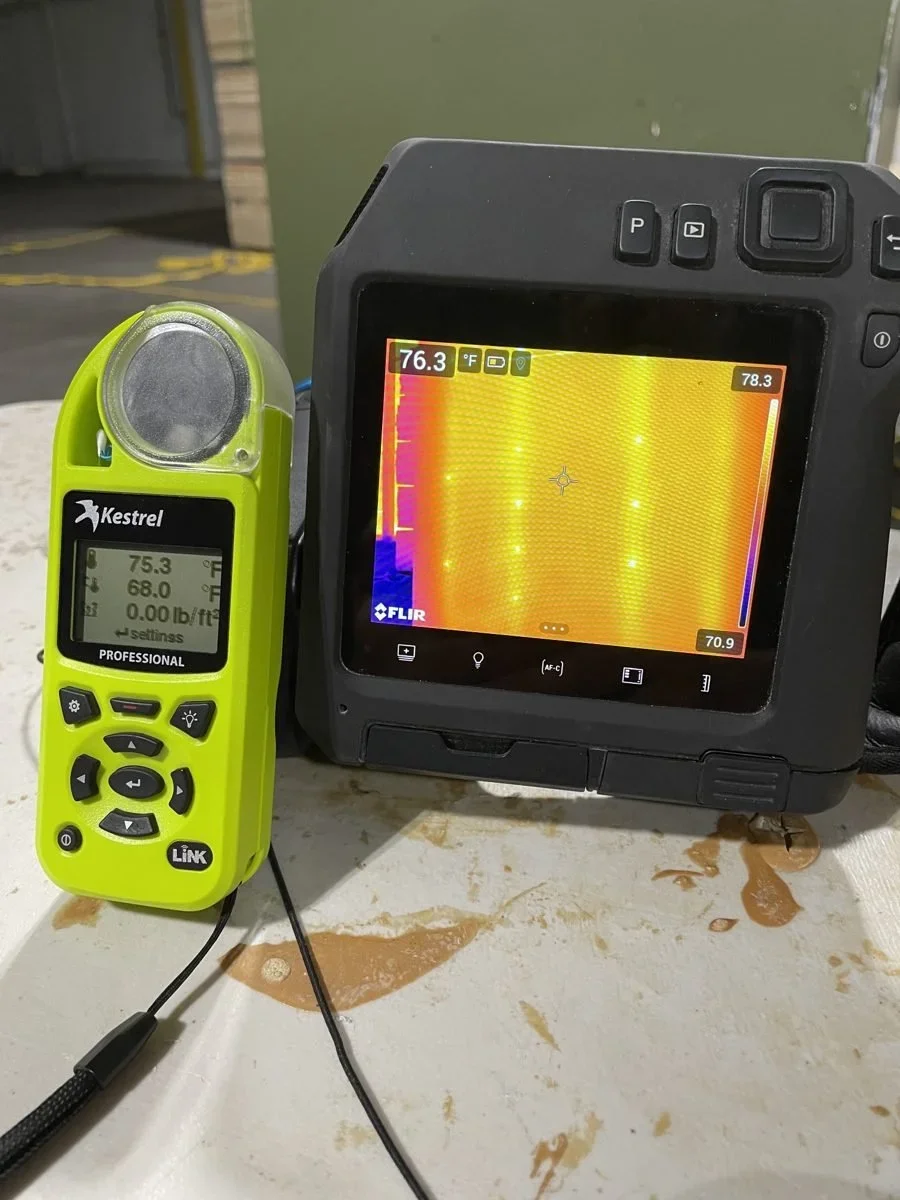
Build your wall wrong and this is what it looks like. The stripes are the studs. The dots are the fasteners. That is heat going right through the wall. That camera and its software cost $15,000.
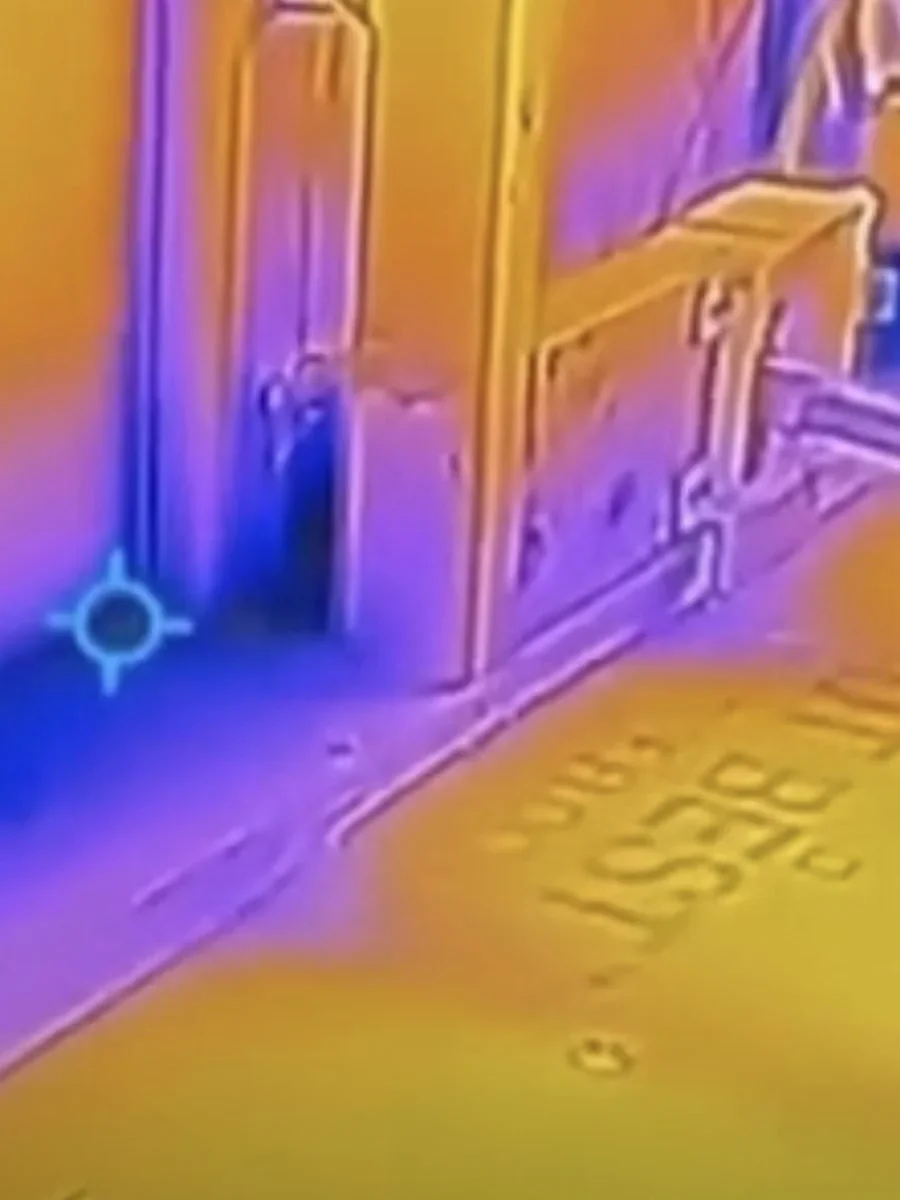
The purple and blue at the bottom of this wall is cold coming in. There is no thermal break through the bottom plate.
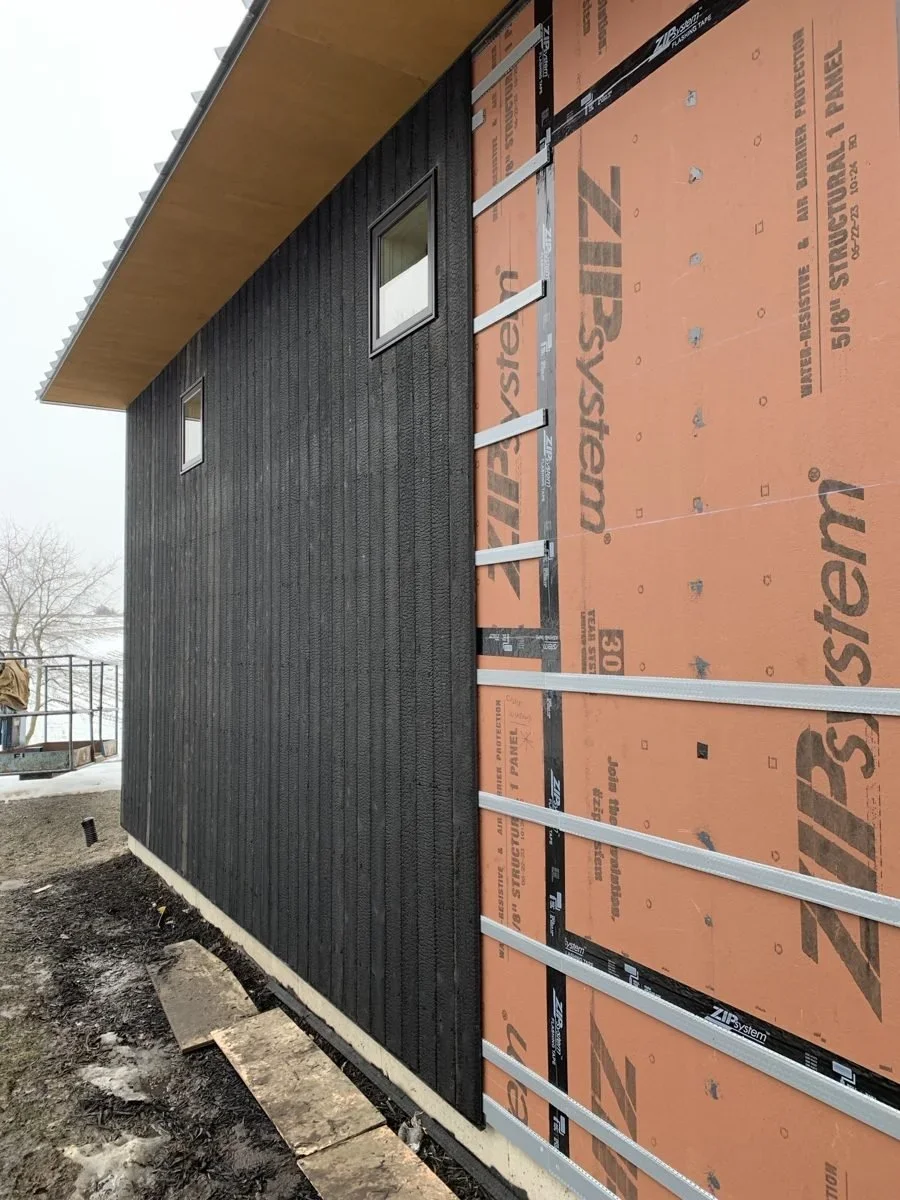
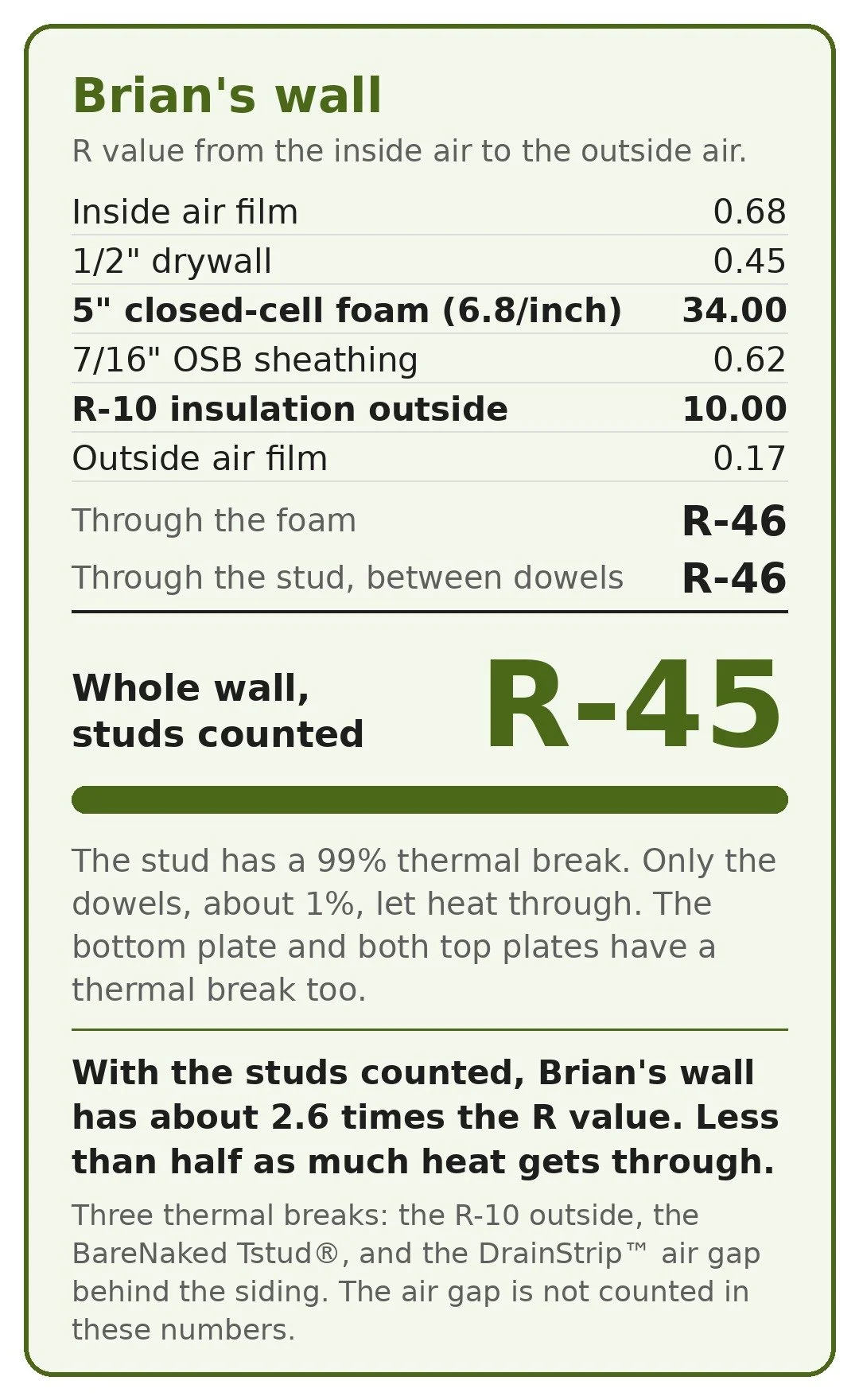
This wall has a 99% thermal break through it. DrainStrip™ goes on the outside to hold an air gap behind the siding, so water can drain and the wall can dry.
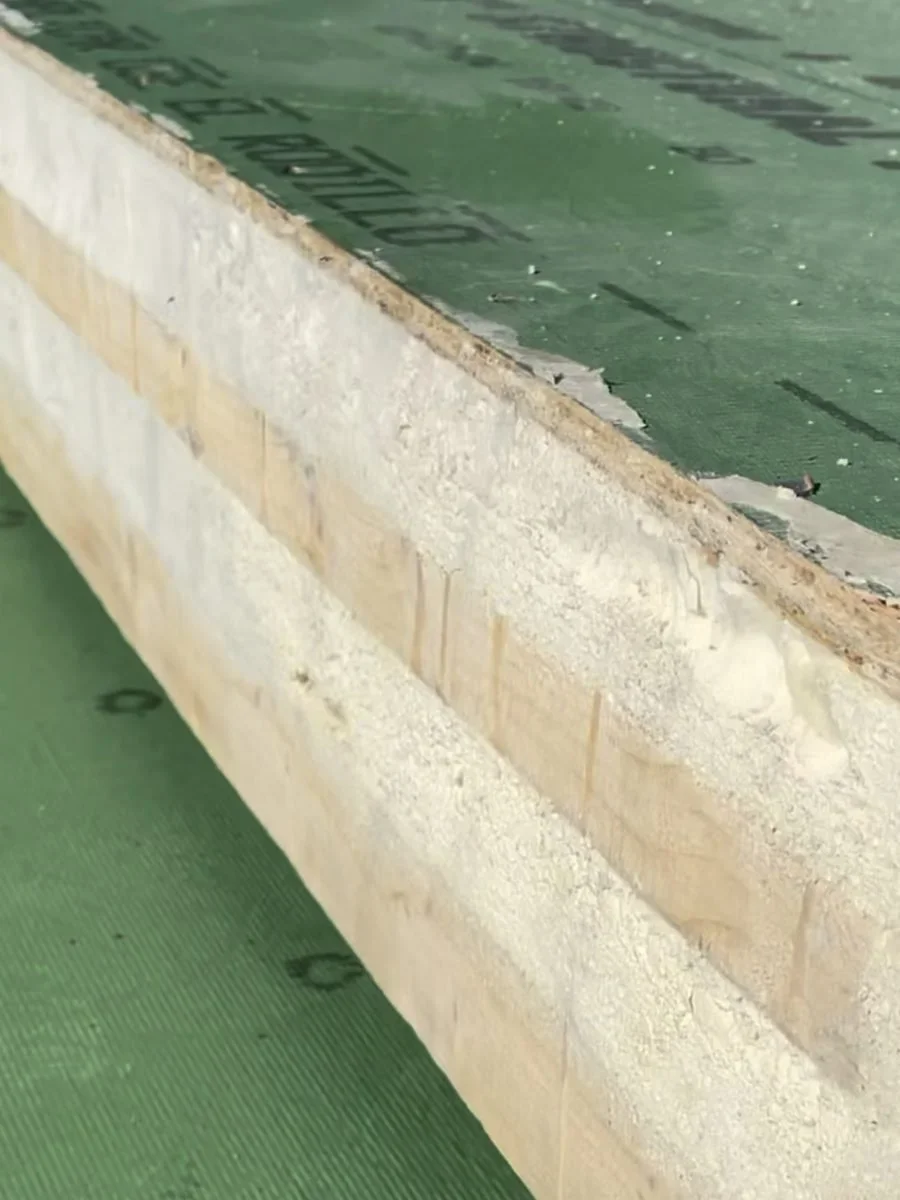
The south wall of my own house. The average R value through this wall is 45.
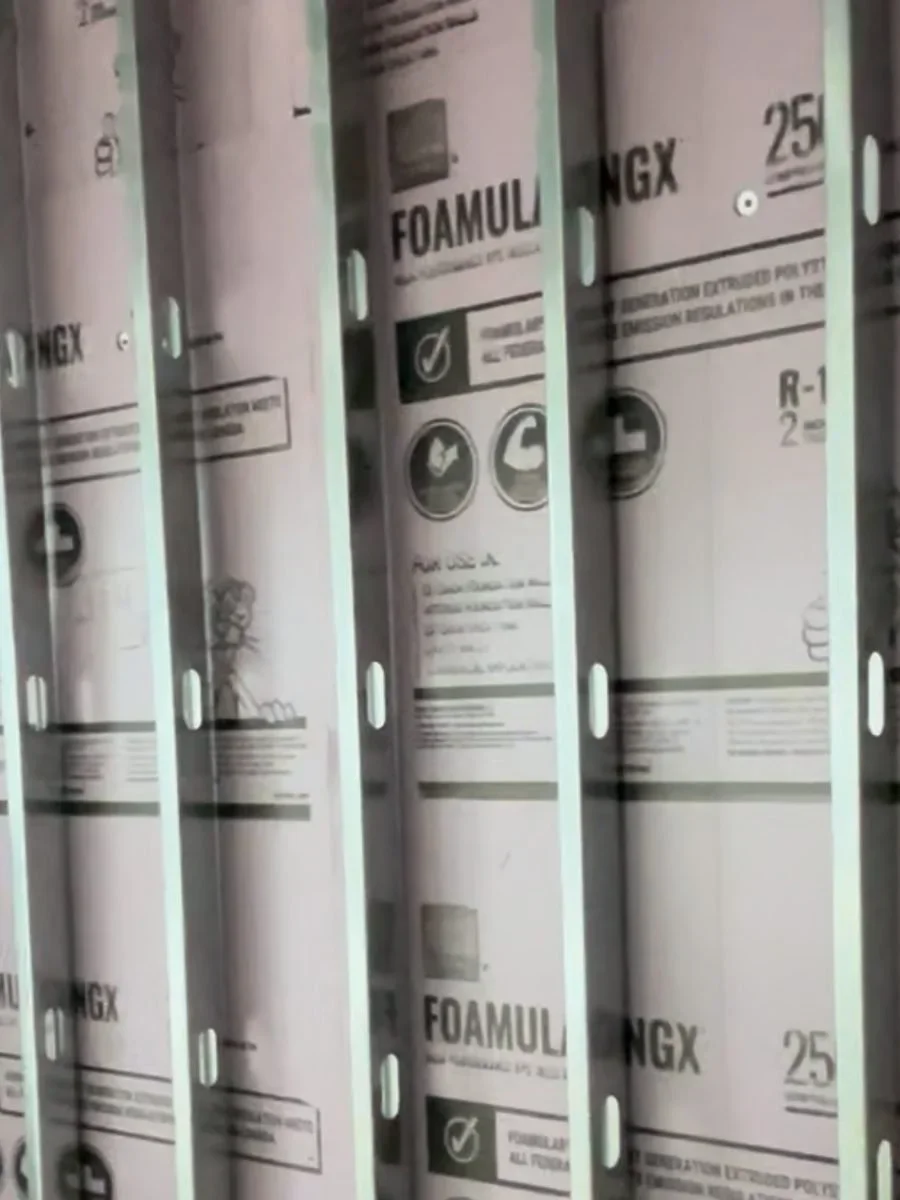
Metal studs with continuous rigid insulation. There are 11 to 13 ways to insulate a wall in North America, and about 18 more in Europe. Each one has its own number.
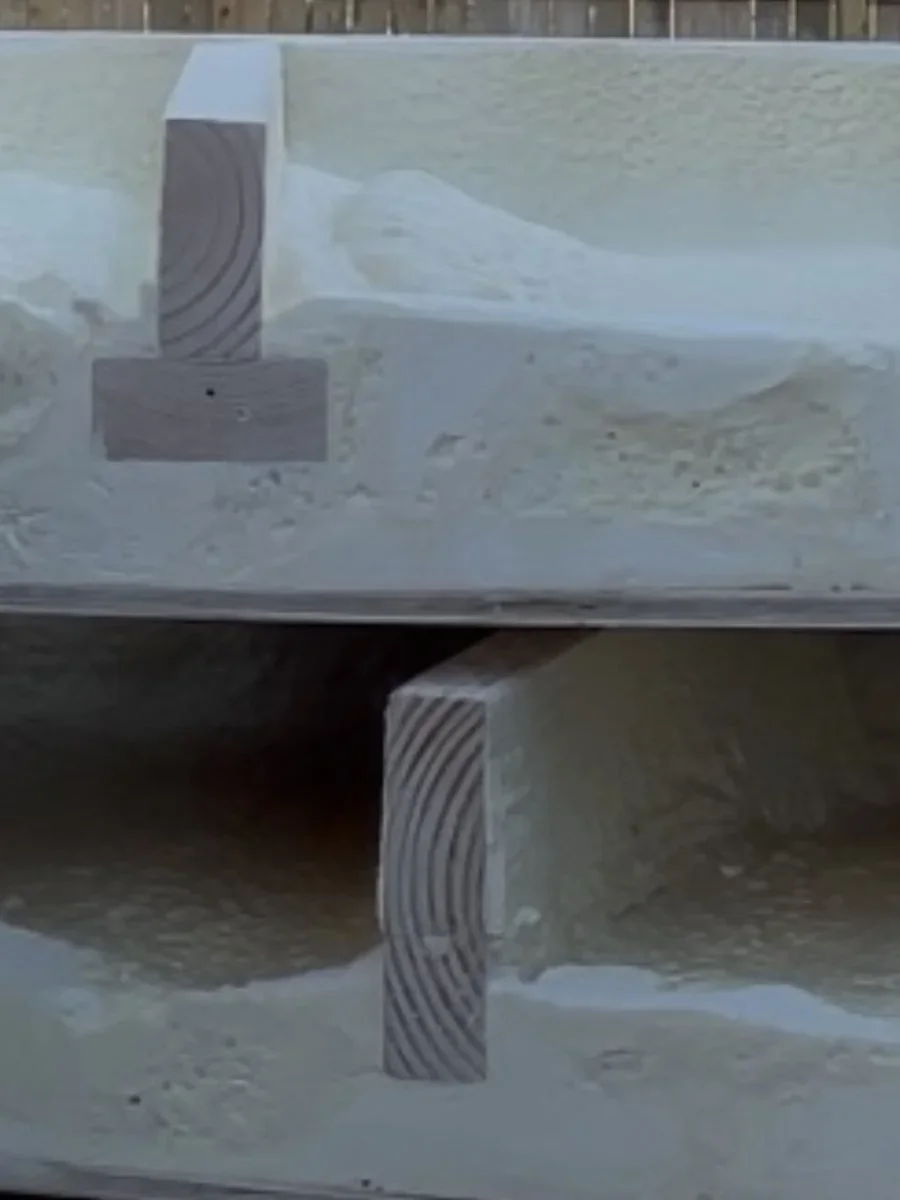
The TwinBeam™. This is how I built my 21-foot-tall wall. It stops the stud from bending side to side or front to back, so the only way it can fail is by crushing straight down its length.
STEP 5
Learn the why
Super Energy Efficient Building Audio Course
2.5 hours of professionally narrated lessons, in 14 modules, on heat, air, moisture, walls, roofs, windows and HVAC, in plain English.
Drafty rooms, high bills, damp corners or a musty smell? This course explains why it happens, so you stop guessing and start asking the right questions.
How heat, air and moisture move through a house, and why mold starts
The Eleven Control Layers every house needs
Walls, roofs, windows and foundations, and how each one affects the others
Why fixing one thing in a house can cause a problem somewhere else
The Beaver Den case study: a real house, real decisions, real numbers
How to measure, test and write down how your house performs
How to build for the people who will live there generations from now
Listen on the job, in the truck or at home. One payment. Lifetime access.
$99
The Retrofit & Remodel Bundle
Fixing the house you have? This one is for the house that is already standing: the brick, the stone, the stucco and the siding that has to stay. Six books that show you how to fix a house from the inside, one room at a time. Hardcover: $799. Paperback: $749, with the Wall and Roof Assembly Library in hardcover, because it is too big to bind as a paperback. Either way, it all comes in one order with one shipping charge.
1. Carbonless: An Introduction to Sustainable Building. How heat, air and water really move through a house. Start here.
2. THE BOX, Complete Edition. Both checklists, and the questions to ask before you open a wall.
3. The Retrofit & Remodel Field Guide: The NightMare. Nearly 200 field photographs of what was found when the walls came open.
4. How to Make a Thermal Break on the Inside of Your Home. The strip method, the dew point, the one-vapor-barrier rule, and 90 interior wall assemblies with every number worked out.
5. The Carbonless Wall and Roof Assembly Library. 863 walls and roofs, every layer and every number.
6. Hammerdahl. A novel about a family 100 years from now, living in homes that were built right today.
The Introduction teaches how a house works. THE BOX gives you the questions to ask. The NightMare shows what goes wrong once the walls come open. The Thermal Break book shows how to fix it from the inside. The Library gives you the numbers. And Hammerdahl shows why it matters. One wet wall can cost more than all six books. Read them before you open a wall, and fix it once, the right way, for the family who lives there 100 years from now.
Go all the way: Carbonless 2126
40 courses that cover the whole house. From the land and the plan to the walls, the roof, the windows, the air inside, and the people who will live there a hundred years from now. Each course stands on its own.
For homeowners, builders, remodelers, realtors, inspectors and anyone who touches a building. Plain English. No sales pitch.
The first course is free. $100 per course, or $3,900 for the complete program.
A beaver never builds a dam with one stick, and each course adds to the others. Take them in any order.
Read the description — first course free →
Talk to Brian
Stuck on a decision? Book time with me and bring your plans, your photos or your questions.
30 minutes $250 · 1 hour $500 · 2 hours $1,000 · 4 hours $2,000
Building from scratch? Go to Build a New Home / Building.